







Search Results for: American Origins
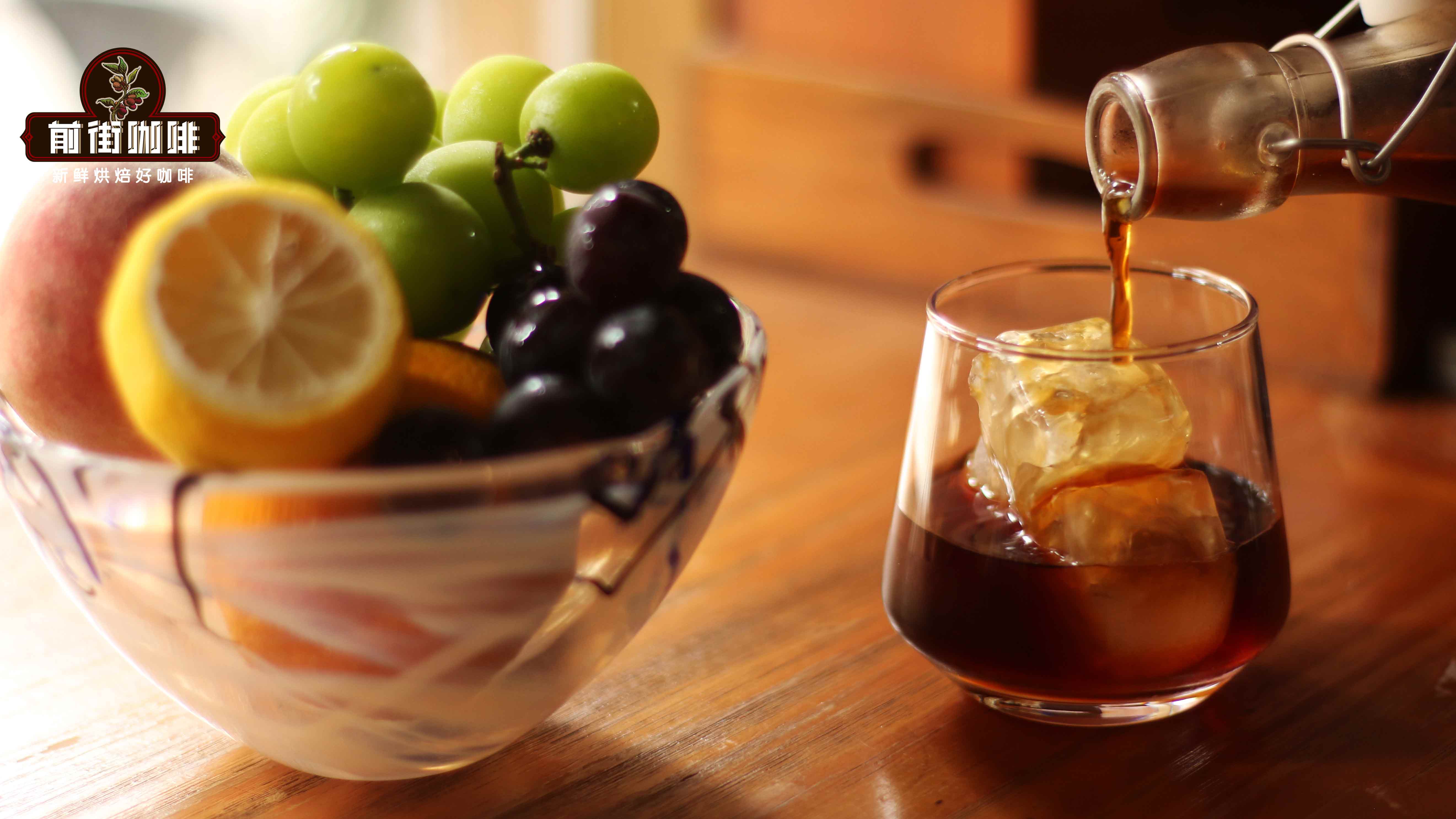
How to Taste Fruit Flavors in Coffee? A Roundup of Fruity Coffee Beans from African and South American Origins and Front Street Recommendations
The sweet-and-sour taste and aroma of fruity notes are among the most highly regarded flavor characteristics of specialty coffee. These flavors can be broadly grouped into three major categories: stone fruit, citrus, and berries, with different origins often displaying their own distinctive fruity tendencies. African origins are known for their intense fruitiness, while South American origins tend to present more stone fruit aromas. This article will outline the main origins and their representative flavors, and list Front Street Coffee's recommended beans from Kenya, Ethiopia, Costa Rica, Tanzania, Guatemala, Colombia, and other places, to help coffee lovers understand the tasting direction of fruity coffee more clearly. [more…]
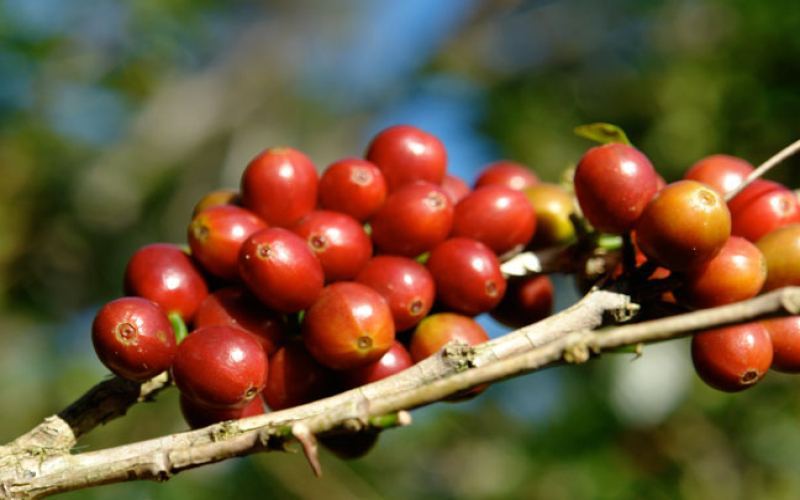
A Buying Guide to Central and South American Coffee Beans: Comparing the Flavors of Colombia, Brazil, Panama, and Other Origins
Central and South America are key regions in the specialty coffee landscape. From the caramel sweetness of Colombia to the floral and citrus notes of Panama Geisha, and the nutty, chocolatey base of Brazil, each producing region has a unique terroir expression. This article systematically reviews the coffee-producing regions of the seven countries of the Central American Isthmus and the Caribbean islands, detailing the classic flavor characteristics and representative origins of Colombia, Guatemala, Costa Rica, Panama, El Salvador, Brazil, and other countries. It also includes recommended beans and roasting suggestions from Front Street Coffee for each, helping coffee lovers quickly find their preferred choice based on taste preferences. [more…]
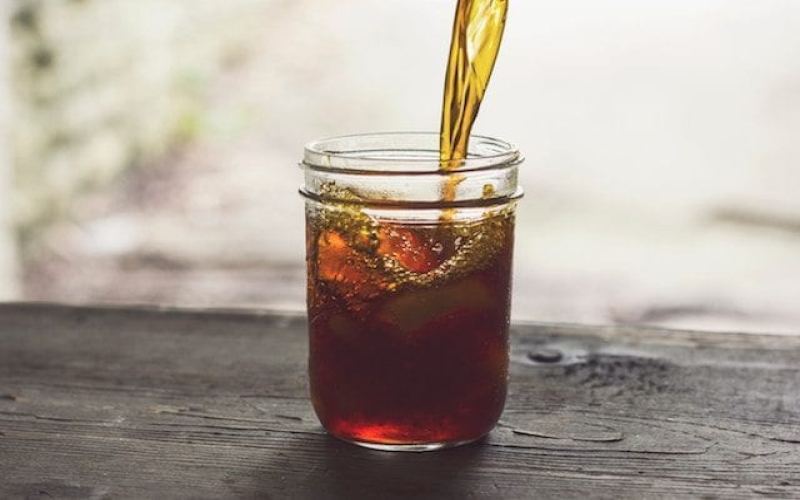
Exploring the Origins of Iced Tea: The Complete History and Brewing Tips from the 1904 World's Fair to American Sweet Tea
Iced tea is now one of the most popular beverages in the world, but its origins are far more convoluted than one might imagine. Americans drink over 2.2 billion gallons of tea each year, 80 percent of it iced. When exactly was this refreshing drink born? At the 1904 St. Louis World's Fair, how did tea merchant Richard Blechynden make iced Indian black tea an instant sensation? And long before that, sweet tea was already popular in the American South, with recipes dating back to an 1839 cookbook. This article traces the complete story of iced tea, from hot tea poured over ice to a fast-food staple, and includes key tips for making delicious iced tea at home, along with Front Street Coffee's selection recommendations, so you can easily recreate a professional-grade glass of iced tea. [more…]
A Guide to Buying Specialty Coffee Beans from Central and South America: Analyzing Flavor Differences Across Origins Like Colombia, Brazil, and Panama
In the coffee belt, Central and South America, with their volcanic ash soils, microclimates, and high-altitude terrain, give rise to specialty coffees of distinct styles. This article begins with a geographical division, sorting out the coffee map of the seven Central American countries and the Caribbean islands, then analyzes one by one the flavor characteristics of representative producing regions such as Colombia, Guatemala, Costa Rica, Panama, El Salvador, and Brazil, and includes specific bean list recommendations from the Front Street brand, covering various processing methods such as washed, natural, and honey, to help coffee lovers find their ideal choice according to taste preference. [more…]

Analysis of the Origins of Starbucks Pike Place Blend and the Flavor Characteristics of Guatemalan Washed Beans
The birth of Starbucks Pike Place Roast coffee beans is inextricably linked to the coffee flavors of Latin American origins. This article begins with the development story of this classic blend, then traces the cultivation history and regional characteristics of Latin American coffee, focusing on the producing regions, grading system, and washed processing methods of Guatemalan coffee. It also draws on two beans from the Front Street Coffee staple series—Huehuetenango and Antigua Flor—to present a complete tasting path from variety and processing method to roasting and cupping, helping coffee enthusiasts build a systematic understanding of Latin American washed coffee. [more…]
Global Specialty Coffee Origins Flavor Guide: Characteristics of Asian and American Bean Varieties and Analysis of Representative Origins
For coffee enthusiasts, understanding the flavor characteristics of different producing regions is an important step in exploring the world of specialty coffee. This article takes body, acidity, aroma, and other dimensions as its entry point, systematically sorting out the typical styles of Asian, American, and island-type coffees, and introducing one [more…]
Why Does Starbucks Breakfast Blend Choose Latin American Origins? Analyzing Latin American Coffee Flavors and Nine Distinctive Single-Origin Coffees
Latin America is a key region for specialty coffee, from Brazil to Guatemala and from Colombia to Panama, this land has given rise to countless stunning coffee flavors. Starbucks' House Blend and Breakfast Blend, two classic coffees, are precisely blended with Latin American beans as their base. From the perspective of Front Street Coffee, this article first introduces the background and flavor characteristics of these two Starbucks coffees, then takes a deeper look at why Latin American coffee is so highly favored—its balanced mouthfeel, nutty and cocoa notes, and how climate, altitude, variety, and processing method shape flavor. Finally, it selects nine distinctive Latin American single-origin beans currently sold by Front Street, including Guatemala La Flor, Brazil Queen, Honduras Sherry, and Panama Butterfly, presenting the origin information and flavor descriptions of each one by one to help coffee lovers find their ideal choice. [more…]
Where are the world's three major coffee-producing regions? A full analysis of the flavor differences between Latin American, African, and Asian coffee
The flavors of coffee vary enormously, and to a great extent depend on where it is grown. The global coffee-growing belt is mainly distributed across three major regions: Latin America, Africa, and Asia/Pacific. Each region, due to differences in climate, soil, and processing methods, produces distinctly different flavor characteristics. Latin American coffees are known for being balanced and mild, often with cocoa and nutty notes; African coffees are bright and refreshing, with prominent citrus and floral notes; Asia/Pacific coffees are rich and full-bodied, with distinct herbal and spicy aromas. This article systematically sorts out the flavor differences among the three major origins and recommends representative coffees from each region one by one, including Front Street Cerrado, Front Street Huila, Front Street Huakui, Front Street Little Tomato, Front Street Red Bourbon, Front Street Mandheling, and Front Street Yunnan Small Bean, helping coffee lovers quickly build an understanding of origin flavors. [more…]
An in-depth review of the world's top ten specialty coffee origins: a flavor map from African heirloom varieties to Central American rising stars
The flavor code of coffee is often hidden within the terroir and history of its origin. This article systematically sorts out the world's top ten single-origin coffee producing regions, from Ethiopia's wild native varieties to Panama's Geisha legend, interpreting one by one the varietal characteristics, processing methods, and flavor expressions of each region. Ethiopia leads with the delicate floral and fruity notes of Yirgacheffe and Sidamo; Kenya showcases a rugged and mature acidity through the SL28 variety; Colombia stands out for its diversity; Central American origins such as Guatemala, Costa Rica, and Honduras each have their own distinctive features; Indonesia's Mandheling and Java, Rwanda's rapid rise, and Hawaii's local specialty together form a complete global coffee flavor map. Whether you are a beginner pour-over enthusiast or a veteran looking for your next daily bean, this origin guide is worth saving. [more…]
The Origins and Evolution of Americano: From WWII GIs to Starbucks, Does It Really Count as Black Coffee?
Americano is now one of the most common drinks in coffee shops, but its origins are closely tied to World War II. Back then, American soldiers couldn't handle the intensity of Espresso, so they diluted it with warm water, and thus this way of drinking coffee was born. Later, Starbucks' global expansion truly brought Americano to the world. However, there has always been controversy over the definition and preparation of Americano: Is it black coffee? Is it reasonable to use an espresso machine for a long extraction to make a weak coffee? This article sorts out the historical context of Americano, compares two preparation approaches, and answers the question of its relationship with black coffee. If you are also curious about the past and present of the Americano in your cup, read on. [more…]
Caturra Coffee Variety Full Analysis: From Bourbon Natural Mutation to Central American Mainstay, Flavor Profile and Historical Origins
Caturra, a natural mutation of Bourbon, has gradually become an important pillar of the Central American coffee industry since its discovery in Brazil around 1915, thanks to the high-density planting advantages brought by its dwarf gene. This article will systematically review Caturra's historical context, breeding process, and global spread, and combine Front Street Coffee's cupping experience to provide an in-depth analysis of this variety's flavor performance. At the same time, the article will also introduce the relationship between Caturra and the Catimor family, as well as Front Street Coffee's currently available Caturra daily drinking beans from the Huila region of Colombia, offering coffee lovers a complete reference from variety awareness to practical tasting. [more…]
An Analysis of the Flavor Differences Between African, Central and South American, and Asian Island Coffees: Characteristics of the Three Major Producing Regions and Front Street Coffee's Representative Bean Recommendations
Coffee beans from different origins present completely different flavor profiles due to differences in terroir. African beans are known for their bright floral and fruity acidity, with Ethiopia and Kenya as the two benchmarks; Central and South American beans are known for their balanced caramel sweetness and nutty, chocolatey notes, with Brazil, Costa Rica, Panama, and Colombia each having their own strengths; Asian and island beans focus on full body and low acidity, with herbal, spice, and earthy notes. This article reviews the flavor characteristics of the three major origins one by one, and, combined with Front Street Coffee's representative products—Huakui, Yirgacheffe, Cherry Tomato, Cerrado, Tarrazu, Butterfly, Mandheling, Yunnan Small-Bean, and Blue Mountain coffee—provides coffee lovers with a reference for purchasing and tasting. [more…]
Flavor Comparison Between African Coffee Beans and Central and South American Origins: Estate Characteristics and Grading Systems from Mexico to Brazil
Africa and Central and South America are the world's two core coffee-producing regions, but due to differences in geography, processing methods, and varieties, their flavor profiles are completely different. Central American producing regions such as Mexico, Jamaica, and Brazil mostly present nutty, caramel, and mild acidity with a balanced mouthfeel, while African beans usually have distinct floral aromas and fruity acidity. This article will sort through the growing conditions, estate grading, and flavor characteristics of representative producing countries in Central and South America one by one, helping coffee lovers understand the essential differences between the beans of the two regions. If you want to experience the bright fruity acidity of African beans, Front Street Coffee's everyday drinking bean series is a good choice. [more…]
A Panoramic View of Latin American Specialty Coffee Bean Flavors: An Analysis of Balanced Taste and Aroma from Brazil to Blue Mountain
Latin America spans Mexico, Central America, the West Indies, and South America, where unique geographic and climatic conditions give rise to coffee beans with distinctive character. From its beginnings during the colonial period of the eighteenth century to the rise of the specialty coffee wave, Latin American origins gradually came to be known for their balance and body, often displaying notes of cocoa and dark chocolate. This article systematically reviews representative producing countries such as Brazil, Colombia, Panama, Costa Rica, Honduras, and Jamaica Blue Mountain, and, drawing on information about the origin, variety, and processing method of each of Front Street Coffee's single-origin beans, describes their flavor, mouthfeel, and aroma characteristics one by one, offering coffee lovers a practical guide to Latin American specialty coffee flavors. [more…]
A Complete Guide to the Flavors of American Coffee Regions: From Brazil to Blue Mountain, the Beauty of Balance and an Introduction to Tasting
For beginners who have just stepped into the world of coffee, it is often only possible to taste a single "coffee flavor," which is actually perfectly normal. As tasting experience gradually accumulates, one can slowly identify rich nuances such as floral notes, fruity notes, and caramel. In the introductory stage of coffee tasting, starting with well-balanced American or Asian beans is a reliable choice for opening the door to taste. American coffee is known for its balanced mouthfeel, moderate acidity, and mellow aroma, covering many origins such as Brazil, Colombia, Panama, Costa Rica, Guatemala, Honduras, Peru, Ecuador, Bolivia, and Jamaica Blue Mountain. This article will systematically sort out the flavor characteristics, representative bean varieties, and processing methods of these American producing regions, and intersperse classic single-origin recommendations from the Front Street Coffee brand, helping coffee enthusiasts build an overall cognitive framework for American coffee. [more…]
American Coffee Basics: From Origins to Preparation, How to Master the Espresso-to-Water Ratio
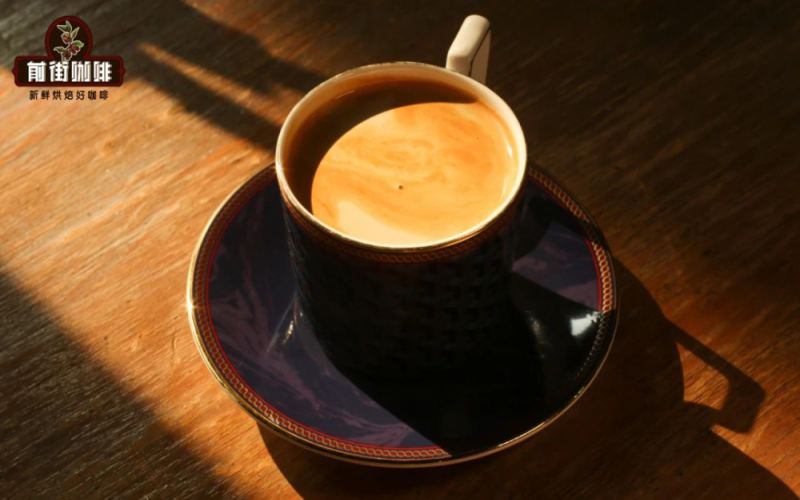
Americano is one of the most common espresso drinks on cafe menus. Its ingredients are simple—just espresso and water—yet it is the ultimate test of a barista's extraction skills. This article begins with the definition and origins of Americano, sorts out the differences between the traditional drip method and the contemporary espresso-dilution method, compares the order of Americano versus Long Black, and discusses the controversy over extracting weak coffee with a long water flow. It then details the proportions for making hot and iced Americanos, Front Street Coffee's extraction parameters, and how keeping or removing the crema affects flavor, helping coffee enthusiasts understand the ins and outs of this basic drink. [more…]
A Panoramic Overview of Latin American Coffee Origins: From Brazil and Colombia to Niche Producers Like Cuba and the Dominican Republic
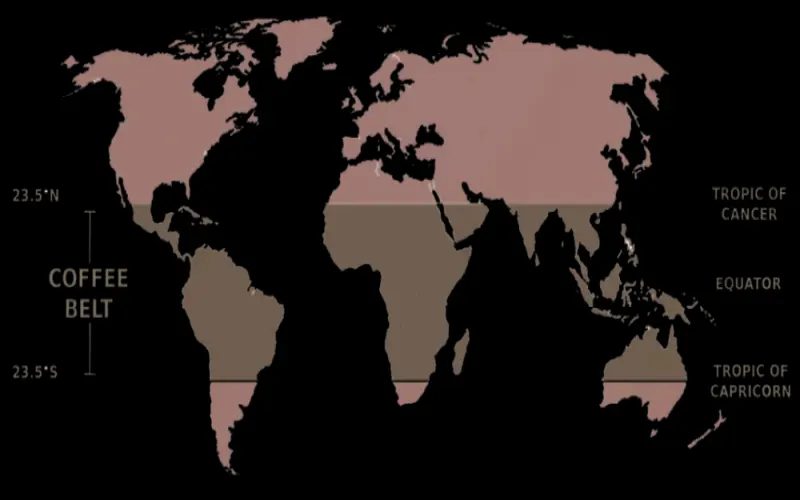
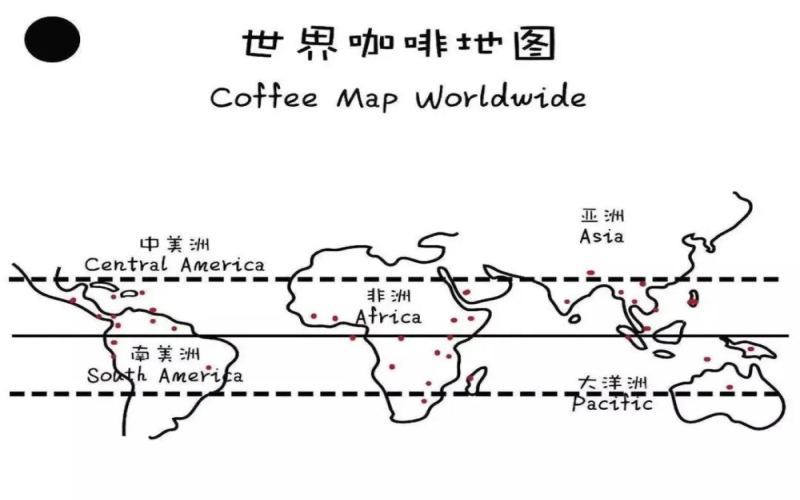
Coffee trees cannot be grown just anywhere in the world. They only grow in a narrow belt between the Tropic of Cancer and the Tropic of Capricorn, commonly known as the "Coffee Belt." This golden growing belt nurtures three major coffee-producing regions—Latin America, Asia-Pacific, and Africa. Among them, Latin America covers Mexico, Central America, the West Indies, and South America, and is known for its balanced, rich, and full-bodied flavors. The region includes thirty-three countries and several non-independent territories. It is home to major producers such as Brazil, Colombia, Costa Rica, Guatemala, and Panama, as well as relatively niche origins such as Cuba, the Dominican Republic, Venezuela, and Hawaii in the United States. Front Street Coffee will guide you through the coffee history and current situation of these countries one by one. [more…]
Can espresso blend beans be used to make drip coffee? Analyzing the differences between American and Italian coffee beans
Many friends who are new to coffee often wonder: Is it feasible to use espresso blend beans for drip coffee? What exactly is the difference between the coffee beans used for Americano and espresso? This article, from the perspective of Front Street Coffee, systematically introduces the types of American drip coffee makers, suitable coffee beans, coffee-to-water ratios, and operating steps, while also comparing the origins and differences between American and espresso coffee. Whether you prefer the sweet-tart notes of fruit and flowers or the rich flavor of chocolate, you can find coffee bean recommendations and practical brewing guides that suit you here, making it easy to brew a satisfying cup of coffee at home. [more…]
American Coffee Brewing Ratio and Water Temperature Explained: A Full Analysis of the Differences Between American and Espresso Coffee and Their Brewing Methods
Americano may seem simple, but in reality, everything from the coffee-to-water ratio to water temperature control requires careful attention. This article provides a detailed introduction to the origins of Americano, standard brewing parameters, optimal extraction temperatures, and storage tips, while also offering an in-depth comparison of the fundamental differences between Americano and espresso in terms of preparation methods and extraction philosophy. Whether you prefer a light, delicate flavor or a rich, intense taste, understanding these details can help you make a cup of coffee that better suits your preferences. The article also covers the controversy over the practices of Australian-style coffee shops, differences in caffeine content, and Starbucks' role in driving the global popularity of Americano, along with purchasing advice from Front Street Coffee. [more…]
A Review of Rare Coffee Varieties in the Americas: The Origins and Characteristics of Villasarchi, Venecia, Tekisic, and Bernardina
For a long time, people's understanding of American coffee-producing regions has mostly remained limited to the three major varieties: Caturra, Catuai, and Bourbon. However, with the sustained investment of national agricultural research institutions and the promotion of professional green bean competitions, a group of previously little-known excellent varieties is gradually coming into view. This article will focus on four rare American coffee varieties—Villa Sarchi, Venecia, Tekisic, and Bernardina—and sort out their discovery history, plant characteristics, disease resistance, and flavor performance, helping coffee enthusiasts gain a more comprehensive understanding of the diversity of American coffee varieties. Front Street Coffee will also combine the characteristics of these varieties to provide references for everyday bean selection. [more…]